

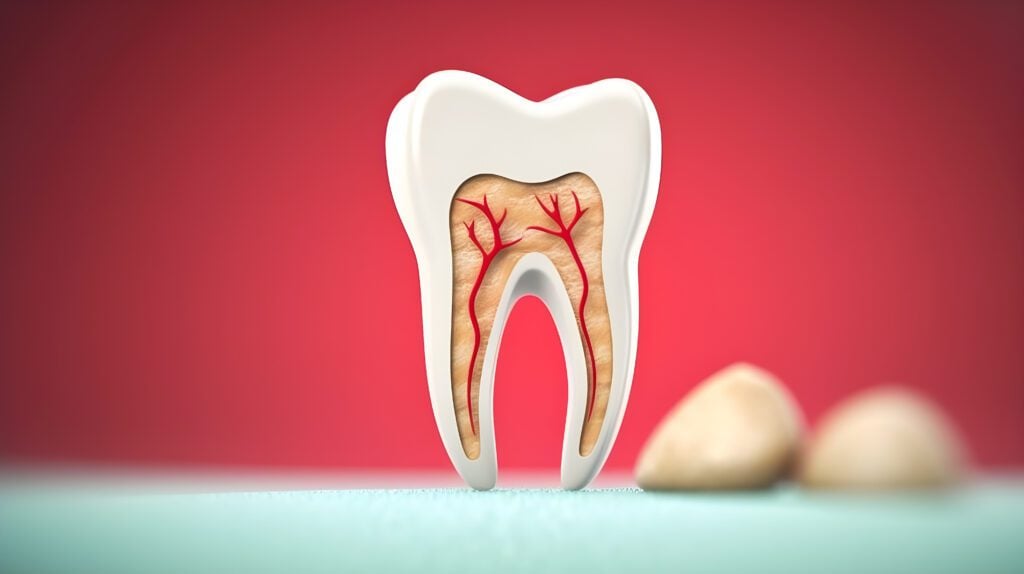
Do I need a root canal or extraction? It is one of the most common questions patients ask, and knowing the difference could change how you approach your next dental visit.
Root Canal and Extraction: Saving Your Smile, Stopping the Pain
At our practice, we offer root canal and extraction treatments to take care of badly infected or damaged teeth. Both options aim to relieve your pain and protect your overall oral health.
Who Is Root Canal or Extraction For?
You may need one of these treatments if you have any of the following:
- Deep decay or severe tooth pain
- A cracked or dead tooth
- An infection that needs immediate attention
How It Works
Think of a root canal like cleaning and sealing the inside of a pipe so it works again. We remove the infected tissue, clean the area, and seal the tooth to save it. If a tooth is too damaged to repair, extraction simply removes it to stop further problems.
The Benefits
- Fast pain relief
- Stops infection from spreading
- Preserves your bite and smile when possible
Both procedures use local anesthesia, so you feel little to no pain during treatment. Recovery is straightforward, and we guide you through every step including replacement options if needed.
Do I Need a Root Canal or Extraction? Here Is What You Should Know
When a tooth is severely damaged or infected, you are likely facing one of two options: a root canal or an extraction. Understanding the difference helps you walk into your appointment feeling informed and confident.
Here is a quick look at what each treatment involves:
- Root canal: Removes the infected pulp inside the tooth while keeping the natural tooth intact
- Extraction: Removes the entire tooth, typically when it cannot be saved
In most cases, saving your natural tooth is the preferred outcome. A root canal allows you to keep your smile intact and avoid the need for a replacement like an implant or bridge.
An extraction may be the better choice when the tooth is too damaged, fractured below the gumline, or causing crowding. We always explore every option before recommending removal.
| Factor | Root Canal | Extraction |
|---|---|---|
| Goal | Save the natural tooth | Remove the tooth entirely |
| Best suited for | Infected or damaged teeth that can still be preserved | Teeth too damaged, fractured, or crowded to save |
| Anesthesia | Local anesthesia | Local anesthesia |
| Follow-up treatment | Crown placement typically recommended | Implant, bridge, or denture may be needed |
| Impact on smile | Natural tooth remains intact | Gap left unless replaced |
| Recovery time | A few days of mild soreness | Several days to a week or more |
At our Apollo Beach practice, we take time to review your X-rays, discuss your symptoms, and explain your options clearly. Your comfort and long-term oral health always guide our recommendations.
Root Canal and Extraction Services
At South Bay Dentistry, we offer both root canal treatment and tooth extractions to help you find relief and protect your overall oral health.
In a case of root canal or extraction, sometimes a tooth becomes too damaged or infected to save, while other times it can be treated and preserved. We assess your situation carefully and walk you through the best option for your needs.
Our goal is to make sure you feel comfortable and informed every step of the way. You deserve care that is both effective and considerate of your comfort.
What Patients Are Saying
Choosing between a root canal and an extraction is a big decision, and hearing from others who have been through it can provide real reassurance. Patient feedback often reflects the quality of care, comfort, and guidance received throughout the process.
Reviews for these procedures are currently being gathered. Many patients report feeling far more at ease after speaking openly with their dentist about their options, and that honest communication makes all the difference in their recovery and overall satisfaction.
Frequently Asked Questions About Root Canal and Extraction in Apollo Beach
What is the difference between a root canal and a tooth extraction?
A root canal removes the infected pulp inside your tooth while keeping the natural tooth in place. A tooth extraction removes the entire tooth, and we typically recommend it when the tooth is too damaged to save. At South Bay Dentistry, we always explore every option before recommending removal.
When would a dentist recommend a root canal instead of pulling the tooth?
If your tooth is infected or damaged but can still be preserved, a root canal is usually the preferred option. Saving your natural tooth helps keep your smile intact and avoids the need for a replacement like an implant or bridge.
Is a root canal or extraction painful?
Both procedures are performed using local anesthesia, so you should feel little to no pain during treatment. Recovery after a root canal typically involves a few days of mild soreness, while extraction recovery can take several days to a week or more.
What happens after a tooth extraction at South Bay Dentistry?
After an extraction, a gap is left where your tooth was. We will walk you through replacement options such as a dental implant, bridge, or denture to help restore your bite and smile.
What are the signs that you might need a root canal or extraction in Apollo Beach?
You may need one of these treatments if you are dealing with deep decay, severe tooth pain, a cracked or dead tooth, or an infection that needs immediate attention. At South Bay Dentistry, we review your X-rays and symptoms to help determine the right treatment for you.
Schedule Your Appointment Today
At South Bay Dentistry, we are here to help you understand your options and make the decision that is right for your smile and your health.
If you are ready to get a clear answer about your tooth and find the path that is right for you, call South Bay Dentistry or schedule your appointment online today so our team can help you move forward with confidence.